Congress urges UK-India FTA to include a Fugitive Transfer Agreement for extradition of Vijay Mallya, Nirav Modi & Lalit Modi.
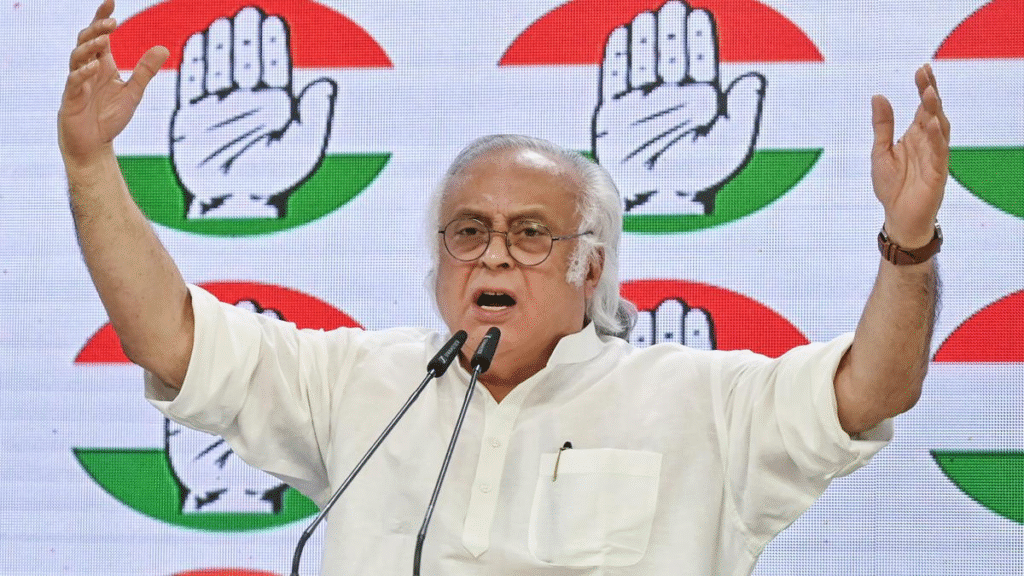
📌 Congress Raises a Sharp Call for Extradition Pact
On July 24, ahead of the official signing of the India–U.K. Free Trade Agreement (FTA) in London, the Congress party delivered a pointed message to Prime Minister Modi. Congress general secretary Jairam Ramesh proposed a second FTA—to be called the Fugitive Transfer Agreement—aimed at expediting the return of high-profile fugitives such as Vijay Mallya, Nirav Modi, and Lalit Modi from the U.K. ([turn0search2])
He emphasized on X:
“Three stars of the Modi Model of bhagodanomics are still waiting for their ghar wapsi — Vijay Mallya, Nirav Modi, and Lalit Modi… What India needs from the UK is the announcement of another … Fugitive Transfer Agreement.” Devdiscourse+6The Economic Times+6The Economic Times+6
✍️ India–U.K. FTA: A Milestone With Caveats
- The FTA, described as the U.K.’s most economically significant bilateral deal post-Brexit, covers 99% of tariff lines and aims to enhance trade in whisky, automobiles, pharmaceuticals, and more. The Economic Times
- It includes a joint declaration titled “U.K.–India Vision 2035”, aiming to deepen strategic and economic ties during PM Modi’s visit. The Economic Times
Despite the celebratory tone, Congress has flagged concerns over its potential impact on domestic sectors, including MSMEs, auto, and pharma industries. The Economic Times+7Rediff+7Devdiscourse+7
🕊️ Fugitive Transfer Agreement: Why Congress Wants It Now
- Extradition Delays: Legal complexities and prolonged procedures have stalled extradition of Vijay Mallya, Nirav Modi, and Lalit Modi, fueling public disillusionment.
- Political and Economic Justice: Congress contends that alongside trade liberalization, there should be strong legal mechanisms to hold white-collar fugitives accountable.
- Diplomatic Leverage: Including a fugitive transfer treaty in the FTA negotiations could serve as a diplomatic bargaining chip to expedite returns.
- Public Trust and Policy Coherence: Linking the two FTAs would align international agreements with India’s domestic agenda of economic equity and justice.
🔍 International Legal & Diplomatic Context
- According to Foreign Secretary Vikram Misri, legal teams from both countries are already collaborating on finalizing extradition clauses as part of the broader trade agreement framework. The Economic Times+1The Economic Times+1RediffThe Economic Times
- Extradition treaties typically require dual criminality and judicial review in both countries—processes that can extend over years. A Fugitive Transfer Agreement could standardize and accelerate this process.
- PM Modi and U.K. PM Keir Starmer will use the signing ceremony to launch Vision 2035, incorporating trade, security, and legal cooperation including fugitives, cybercrime, and data exchange.
⚖️ Assessment: Why It Matters
- The proposed Fugitive Transfer Agreement reflects a growing global trend of knitting legal cooperation into trade pacts—seen in U.S.–U.K. economic frameworks and other bilateral deals.
- For India, securing the return of economic offenders is a test of governance credibility and its ability to negotiate comprehensive international instruments.
- However, embedding extradition clauses into FTAs raises legal concerns over sovereignty, due process, and ensuring the right to fair trial.
✅ Final Take
The India–U.K. FTA marks a significant global trade milestone. But Congress’s call for a Fugitive Transfer Agreement underscores expectations that economic pacts should be anchored in justice and accountability. As diplomatic talks proceed, integrating both trade and legal cooperation could redefine bilateral relations—and send a strong message about India’s commitment to equitable global engagement.