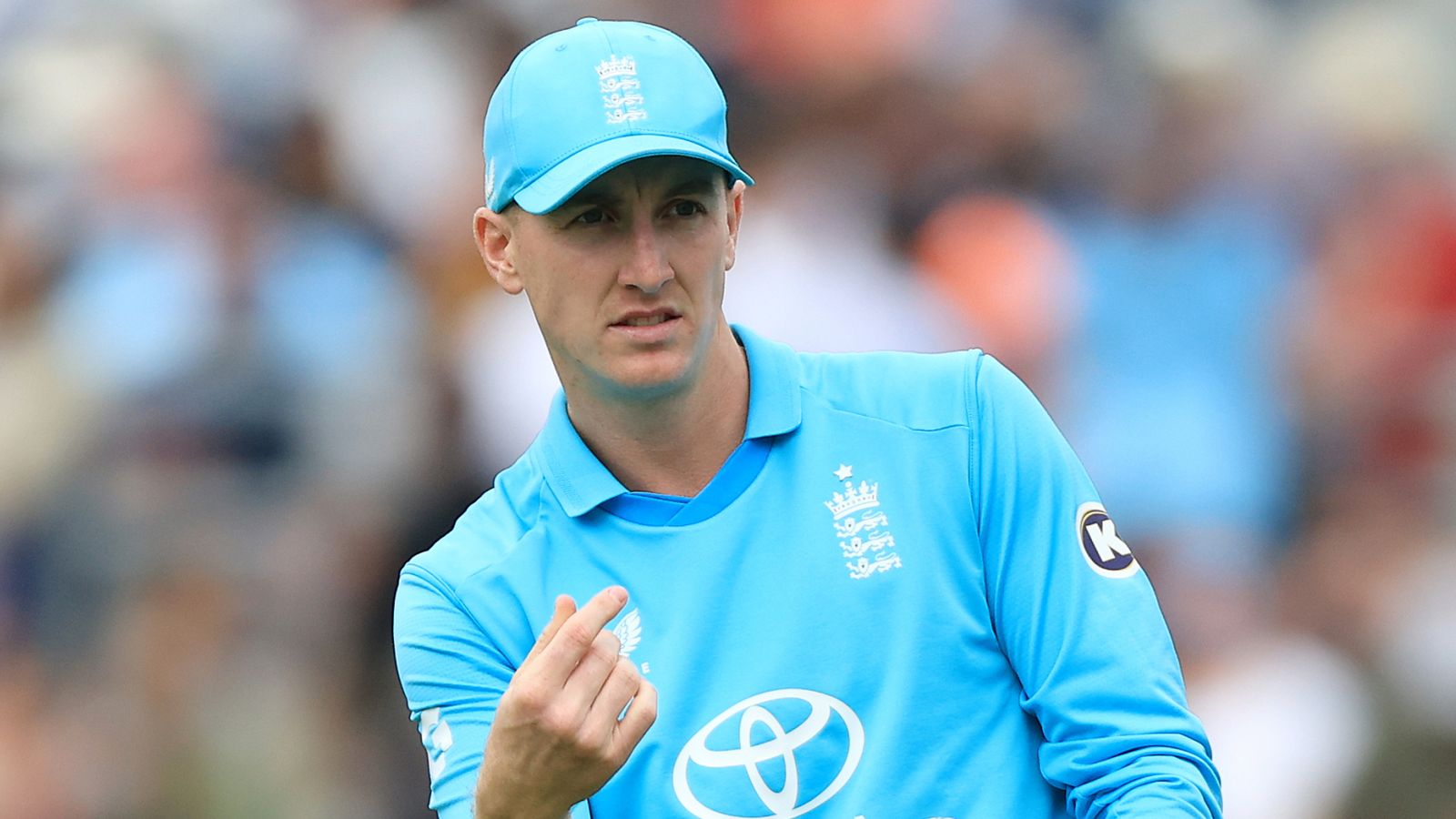
England’s white-ball campaign finds itself hanging by a precarious thread today as captain Harry Brook prepares his side for a high-stakes fixture in Lahore. The English team enters this crucial match following a disastrous start to the ongoing tri-series, having suffered two consecutive defeats that severely dented their tournament ambitions. Their opening outing ended in a bruising 87-run defeat at the hands of Pakistan, a setback quickly compounded by a heart-wrenching two-wicket loss to Sri Lanka. In that second fixture, England managed an imposing total of 429-4, only to watch their bowling attack fail to defend the mammoth target. Another defeat today would leave Brook’s squad mathematically on the brink of elimination, turning what was once a developmental tour into a desperate fight for survival.
The current crisis revives uncomfortable memories of past tournament struggles and underscores the unpredictable nature of England's modern limited-overs transition. Historically, English white-ball cricket has prided itself on relentless aggression and depth in batting, a philosophy that yielded historic global triumphs over the past decade. However, this tri-series has exposed persistent vulnerabilities in defending totals on subcontinental pitches, a historical hurdle for touring English sides. The timeline of this current campaign has deteriorated rapidly, beginning with tactical missteps against Pakistan's pace and spin combination, followed by an inability to execute under pressure during the death overs against a resilient Sri Lankan batting lineup.
The statistical narrative of England’s campaign highlights a profound disconnect between commanding batting performances and brittle bowling execution. While posting 429-4 against Sri Lanka demonstrated the undeniable firepower within the top order—featuring marquee names capable of dismantling any attack—the failure to secure victory laid bare critical shortcomings in containment and wicket-taking options. Regulatory and selection scrutiny has subsequently intensified surrounding the balance of the playing XI, with analysts questioning whether the current bowling unit possesses the tactical variation required for conditions in Lahore. Financial and broadcast stakes are equally high for the England and Wales Cricket Board (ECB), as global audiences tune in via Sky Sports Cricket to witness whether the touring side can orchestrate a dramatic turnaround.
Addressing the media ahead of today's must-win encounter, team leadership and coaching staff emphasized the urgent need for psychological resilience and clinical execution. Captain Harry Brook acknowledged the gravity of the situation during his pre-match press conference, stressing that past mistakes must be compartmentalized immediately. "We know the math and we understand where we stand in this tri-series, but the focus has to remain entirely on our execution from the first ball to the last," Brook stated. "Scoring over 420 runs shows what our batters are capable of, but we have to back that up across all departments. The dressing room remains united, and we are viewing this match in Lahore as the ultimate test of our character."
As anticipation builds for the live broadcast on Sky Sports Cricket, the broader industry implications of a potential early exit are already being debated by analysts and former internationals. A premature elimination would trigger renewed debates regarding squad rotation, strategic prioritization, and the grueling demands of the international calendar. Conversely, a victory in Lahore would breathe new life into England’s campaign, shifting momentum back in their favor and keeping their tournament aspirations alive. All eyes now turn to the stadium pitch as Harry Brook and his men step out to face a defining moment in their international season.
Source: News • Read Original Reporting
