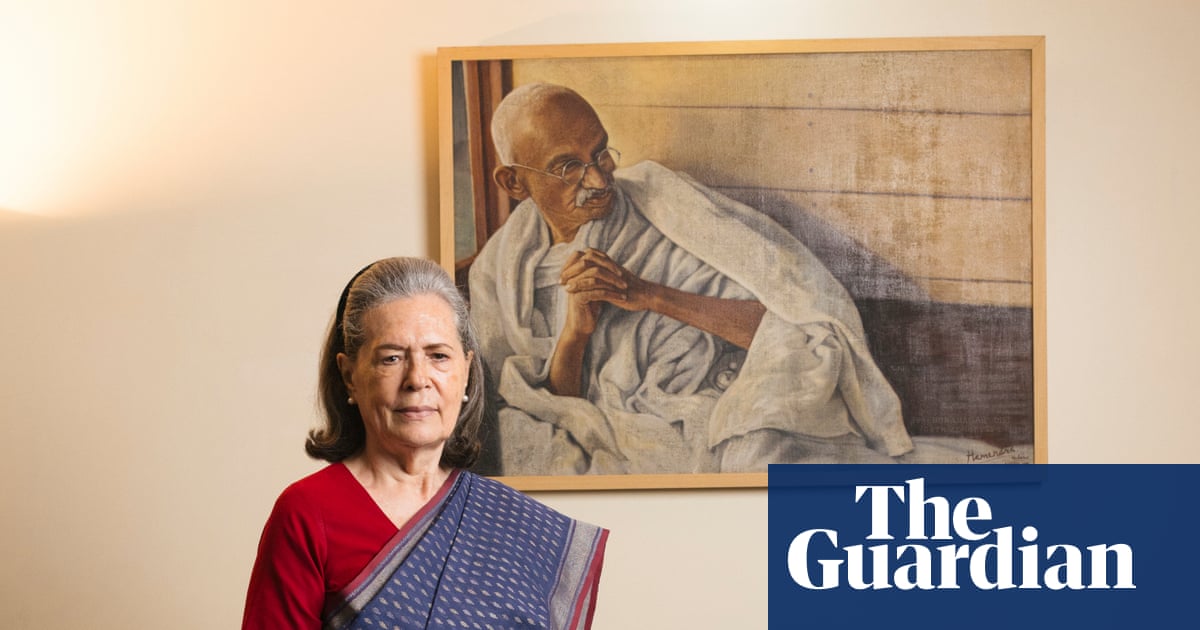
In a compelling revelation that underscores the intricate dynamics of high-level Indian political history, senior Congress leader Sonia Gandhi has disclosed that the late former President Pranab Mukherjee once startled her by suggesting a change in the party’s topmost leadership position. This unexpected disclosure sheds new light on the private deliberations and strategic shifts within the grand old party during critical periods of political transition. The revelation has quickly dominated national news cycles, prompting intense analysis from political historians and contemporary observers regarding the complex relationship between two of the most influential figures in modern Indian governance.
The background of this political relationship stretches back over decades, during which Pranab Mukherjee served as a towering pillar of the Indian National Congress, navigating turbulent electoral cycles, economic reforms, and coalition politics. Often described as the ultimate political troubleshooter for the party, Mukherjee held virtually every major cabinet portfolio—including Finance, External Affairs, and Defense—before culminating his illustrious career as the 13th President of India from 2012 to 2017. Throughout these decades, his counsel was sought by successive generations of Congress leadership, making his private interactions with the Gandhi family a subject of enduring fascination and historical scrutiny.
According to the details emerging from Gandhi’s recent reflections, the conversation involving the suggested leadership overhaul touched upon delicate strategic considerations regarding the party’s future electoral viability and internal management. While specific timelines and venue details of this conversation remain part of a broader retrospective narrative, political analysts note that such discussions highlight the heavy burden of leadership and the constant internal assessments within India's principal opposition movements. The frank nature of Mukherjee’s proposition demonstrates the candid, unvarnished counsel he was known to offer behind closed doors, even to the highest echelons of the party hierarchy.
Reflecting on the exchange, political commentators and party insiders have pointed out that Mukherjee’s pragmatic approach to party administration often placed him in the unique position of challenging conventional wisdom. While official spokespersons from the Congress party have emphasized that such internal dialogues are a natural part of a vibrant political organization's evolution, opposition figures have seized upon the remarks to highlight past vulnerabilities within the leadership structure. Legal and political experts observing the fallout note that the revelation adds considerable nuance to the published memoirs and historical accounts chronicling the UPA era and the subsequent transitions within the Congress party.
As this story continues to reverberate across political circles, its long-term impact on the historical assessment of the Congress party's leadership under Sonia Gandhi is expected to be profound. Market analysts and political strategists suggest that while the disclosure is primarily a matter of historical reflection rather than an immediate electoral threat, it nonetheless shapes public perceptions about internal party democracy and decision-making. Upcoming literary releases, political biographies, and academic seminars are anticipated to dissect these disclosures further, ensuring that the complex legacy of Pranab Mukherjee and his candid exchanges with Sonia Gandhi remain a central fixture of contemporary Indian political discourse.
Source: NDTV • Read Original Reporting