In an unexpected clash highlighting the shifting dynamics of international women's cricket, recent sporting fixtures between the Zimbabwe women's national cricket team and the India women's national cricket team have sparked intense discussions among analysts and fans alike. While traditional scorecards heavily favor the powerhouse Indian side, these encounters provide a crucial barometer for the developmental strides being made by associate and emerging Full Member nations on the global stage. As cricket boards continue to invest in the women's game, every bilateral series carries profound implications for world rankings, bilateral scheduling, and the overall competitiveness of the sport heading into upcoming international tournaments.
The historical context of fixtures between Zimbabwe and India reveals a stark contrast in cricketing infrastructure and legacy. The Board of Control for Cricket in India (BCCI) has long cultivated a dominant women's setup, producing legendary players and establishing a formidable domestic framework through initiatives like the Women's Premier League. Conversely, Zimbabwe Cricket has fought through substantial financial and logistical hurdles to maintain a competitive international standard, earning Full Member status and fighting to secure consistent high-level competition against the sport's elite. Past encounters have typically served as developmental stepping stones for Zimbabwe, while offering India an opportunity to test squad depth and refine tactical strategies ahead of major International Cricket Council (ICC) global events.
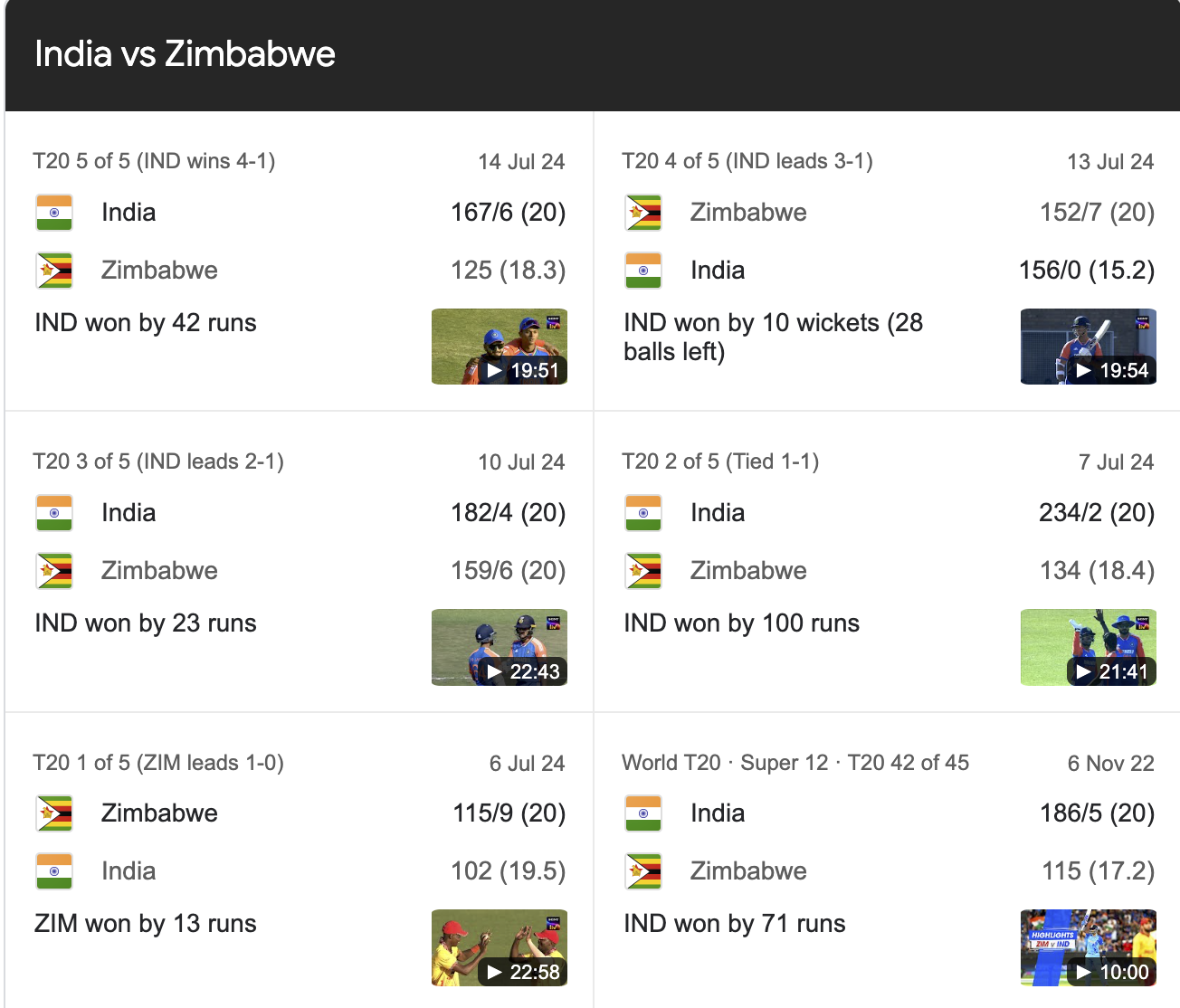
Analyzing the granular data and match scorecards underscores the immense statistical gulf that the Zimbabwe women's team continually strives to bridge. Recent scorecards frequently document dominant batting displays from India’s world-class top order, alongside disciplined bowling spells that test the technical resilience of Zimbabwe’s batters. Match analyses routinely highlight run rate differentials, boundary percentages, and the efficacy of spin versus pace in neutral or subcontinental conditions. Yet, nestled within these comprehensive scorecards are vital breakthroughs for Zimbabwe—individual half-centuries, crucial wicket-taking bursts against premier batters, and moments of exceptional fielding that signal a rapidly narrowing gap in baseline athleticism and skill.
Speaking on the broader strategic vision for bilateral series against emerging nations, team managers and cricket administrators have emphasized the necessity of inclusive scheduling. Representatives from the Indian camp have consistently praised the competitive spirit and fighting resilience displayed by the Zimbabwe squad, noting that exposure to varied international opposition elevates the standard of the global game. Meanwhile, coaching staff from the Zimbabwe side have pointed to these high-stakes fixtures as invaluable learning experiences, stressing that facing world-class bowling and batting attacks accelerates the tactical maturation of their younger players under pressure.
Looking toward the future, the impact of these series extends far beyond the immediate boundary ropes, influencing global broadcast revenues, ICC development funding, and the strategic planning for upcoming Women's Championship cycles. As the cricketing ecosystem moves toward greater parity, the performance metrics recorded on these scorecards will serve as critical benchmarks for Zimbabwe's upward trajectory. With subsequent bilateral tours and global qualifiers on the horizon, both federations are poised to leverage these encounters—ensuring that the foundational growth of women's cricket continues to accelerate across diverse geographic landscapes.
Source: News • Read Original Reporting